Curriculum
You can find out about English, maths and science at Bridgetown in more detail via the links below:
Please explore our wider curriculum in more depth here:
We embrace the wider curriculum and the development of the 'whole child' through planning for Spiritual, Moral, Social and Cultural activities throughout our topics. A summary of a range of SMSC activities we include at Bridgetown can be found below.
The Bridgetown Curriculum
At Bridgetown Primary School, we believe that a truly great curriculum should do more than teach children knowledge. It should help them understand the world, find their place within it and feel empowered to make a positive difference.
This is what makes our Dimensions Curriculum so special. Introduced at Bridgetown in January 2026, Dimensions provides the framework for our curriculum, but we have made it uniquely our own. It has been carefully shaped around our children, our community and the world we want our pupils to grow up in.
Dimensions is rooted in developing the knowledge, skills and attitudes children need for life. It supports our ambition for every child to become a compassionate, confident and curious global citizen, with high expectations for all learners, including our SEND and disadvantaged pupils.
At the heart of Dimensions are our four curriculum drivers- the ‘4 Cs’: Communication, Conflict, Culture and Conservation. These provide a common thread throughout our curriculum, connecting children's learning to real-world issues and helping them to understand how subjects, people and the world around them are interconnected.
What makes Dimensions particularly exciting at Bridgetown is the opportunity to bring the curriculum to life through our own school community. We are incredibly fortunate to have a diverse and vibrant community, with children and families bringing a wealth of different experiences, cultures, perspectives, interests and expertise. We see this as a strength and an opportunity, and it is something we actively celebrate through our curriculum.
Our children are encouraged to look beyond their own experiences, to ask questions, listen to different perspectives and develop a genuine understanding of the world around them. They explore the similarities that connect us, as well as the differences that make each of us unique. They develop the confidence to talk about important and sometimes challenging issues, including inequality, discrimination, conflict and environmental responsibility.
We want our pupils to leave Bridgetown not only with a strong foundation of knowledge, but with the curiosity to keep learning, the confidence to communicate, the compassion to understand others and the courage to make a difference.
Our curriculum is also a reflection of who we are as a school. Dimensions gives us the opportunity to create experiences that could only happen at Bridgetown- drawing on our children, our families and our wider community to make learning meaningful, relevant and memorable.
We believe that our community has a huge amount to offer our children, and we warmly welcome families and members of our wider community to contribute to school life by sharing their cultures, experiences, knowledge and skills.
If you or a family member have something you would like to share with our children, we would be delighted to hear from you. Please get in touch via our Google form:
https://forms.gle/7nxCs24rej7TWrRYA
Dimensions is more than a curriculum at Bridgetown. It is part of our vision for the children we want our pupils to become- confident in who they are, curious about the world and ready to make it a better place.
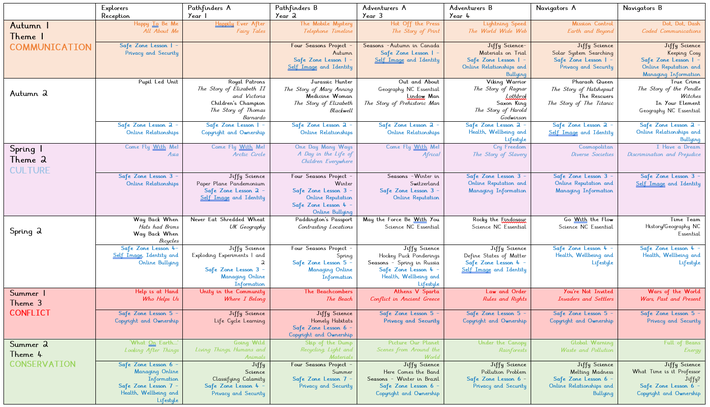
Please see below for an overview of our new topics:
Enrichment and Cultural Capital
We believe one of the things that makes Bridgetown special is the importance we place on giving children experiences that stay with them long after they leave the classroom.
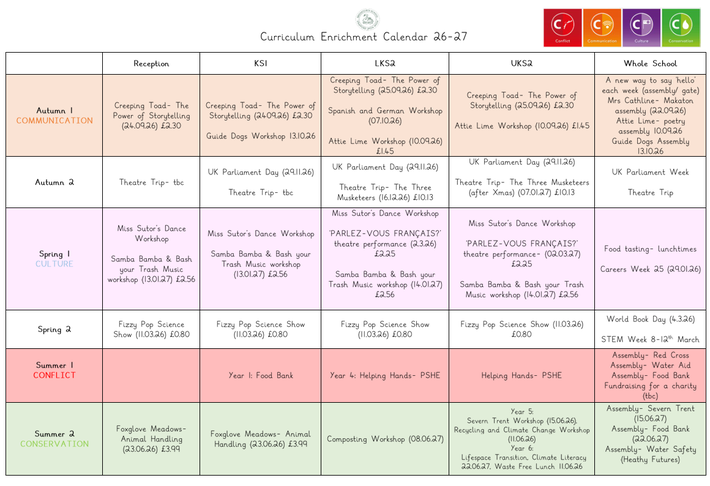
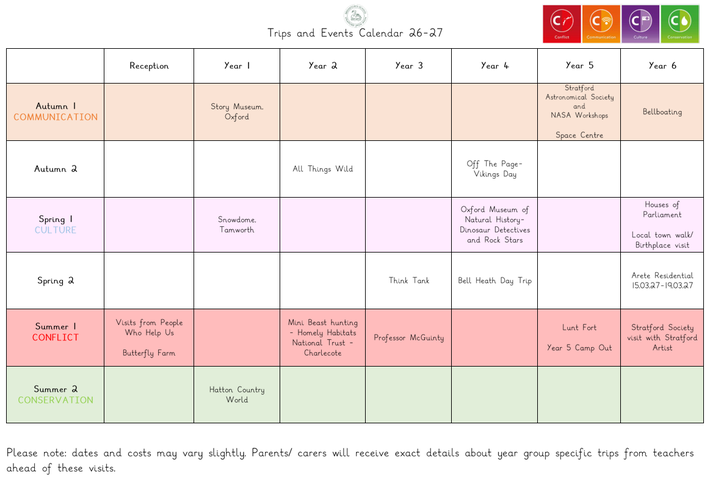
Our 2026–27 Enrichment Schedule is an exciting next step in this commitment. We want every child to have the opportunity to experience something new, develop interests and talents, and create memories that they may not otherwise have had the chance to make.
We know that these experiences matter. Visits, performances, workshops, trips, sporting opportunities, cultural experiences and meeting inspirational people all contribute to children’s cultural capital – the experiences and knowledge that help them to feel confident and successful in the wider world.
This is only the beginning. Our ambition is for enrichment to become a truly distinctive part of the Bridgetown experience, ensuring that our children leave us not only with a strong education, but with a rich collection of experiences that they can carry with them throughout their lives.
Please see below for our initial 2026–27 enrichment schedule. This is the starting point for our wider enrichment programme, which we will continue to develop and build upon throughout the year.